Checking Out the Important Duty of Aluminum Shop in Modern Manufacturing Processes
Light weight aluminum foundries offer a pivotal feature in contemporary production. They transform raw light weight aluminum right into vital parts across different sectors. This conversion process is marked by innovative casting strategies that improve efficiency. Furthermore, the shops are significantly embracing lasting practices, mirroring a shift towards environmentally liable production. Recognizing their duty exposes not simply their impact on manufacturing yet also the more comprehensive implications for technology and sustainability in the industry. What exists in advance for aluminum factories in this advancing landscape?
The Importance of Aluminum in Modern Production
Light weight aluminum plays a pivotal role in modern-day production due to its distinct residential properties. This light-weight metal is known for its outstanding strength-to-weight proportion, making it an excellent option for numerous applications. Its deterioration resistance boosts longevity, reducing maintenance expenses and raising item longevity. The malleability and ductility of aluminum enable for complex layouts and intricate forms, which are important in markets ranging from automobile to aerospace. Additionally, aluminum's electrical and thermal conductivity makes it suitable for electrical components and heat exchangers. The recyclability of aluminum considerably contributes to lasting production practices, as it can be recycled without loss of top quality. This versatility not just supports advancement yet additionally helps meet the expanding need for eco pleasant services. Generally, light weight aluminum's unique qualities placement it as a fundamental product in modern-day production, driving innovations and effectiveness throughout multiple sectors.
Introduction of the Light Weight Aluminum Casting Process
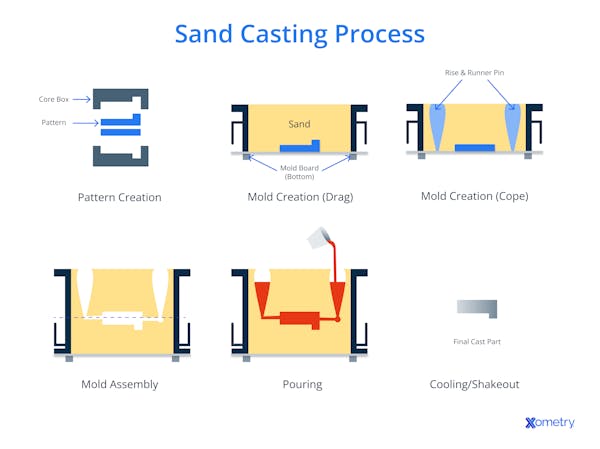
The light weight aluminum spreading procedure is a necessary method for forming this versatile steel right into complicated kinds fit for a vast array of applications. This process normally begins with melting aluminum ingots in a heating system, where temperature levels can exceed 1,200 degrees Fahrenheit. Once the light weight aluminum gets to a liquified state, it is poured right into a mold made to create the preferred shape.
There are various casting techniques employed, consisting of sand spreading, die spreading, and financial investment spreading, each offering one-of-a-kind advantages for various applications. After the light weight aluminum strengthens and cools down, the mold and mildew is removed, disclosing the cast part, which may call for further completing procedures such as machining or surface therapy to attain the required specifications.
Quality control is crucial throughout the casting process, guaranteeing that the end products meet sector standards for stamina, sturdiness, and dimensional accuracy. This precise method highlights the value of aluminum casting in modern-day production.
Secret Benefits of Aluminum Foundries
Aluminum shops supply several crucial advantages that boost modern-day production procedures. The light-weight nature of light weight aluminum adds to substantial weight financial savings in various applications, while cost-efficient production solutions make it an attractive selection for producers. In addition, the versatile layout capabilities of light weight aluminum enable for innovative and complicated product development, conference varied market needs.
Lightweight Material Conveniences
In the domain of modern production, light-weight materials have actually ended up being an essential focus, with aluminum factories using substantial benefits. Aluminum, recognized for its low thickness yet durable toughness, allows the manufacturing of elements that decrease overall weight without compromising architectural stability. This particular is particularly useful in sectors such as auto and aerospace, where reducing weight converts to enhanced gas effectiveness and performance. In addition, light weight aluminum's outstanding corrosion resistance improves product long life, decreasing upkeep needs. The convenience of aluminum factory procedures enables for intricate designs and intricate geometries, assisting in innovative applications. Furthermore, aluminum's recyclability contributes to sustainability efforts, making it an environmentally pleasant choice in contemporary production practices. These lightweight product benefits setting light weight aluminum foundries as crucial players beforehand modern manufacturing.
Cost-Effective Manufacturing Solutions
While lots of products can be used in manufacturing, light weight aluminum shops attract attention for their cost-effective solutions that improve manufacturing performance. The procedures employed in aluminum factories, such as die casting and sand spreading, permit for high-volume production at reduced costs compared to other materials. The light-weight nature of aluminum lowers shipping and handling expenses, even more adding to general financial savings. Additionally, light weight aluminum's recyclability decreases waste and decreases product prices, making it an eco-friendly selection. The fast turnaround times typical of aluminum shops enable manufacturers to react swiftly to market needs, making sure competitive pricing. The sturdiness of aluminum parts leads to reduce maintenance costs over the item's lifecycle, strengthening its setting as a monetarily sensible alternative in modern-day manufacturing.
Versatile Design Capabilities
The convenience of light weight aluminum foundries greatly enhances their charm in modern production. They provide a vast array of layout capacities, allowing the production of complicated and intricate shapes that fulfill certain client needs. This versatility enables the assimilation of different features, such as lightweight frameworks and improved thermal properties, making aluminum an excellent option for varied applications. Moreover, the ability to use various casting approaches, including sand, die, and financial investment casting, more expands their style potential. This adaptability not only accommodates custom-made styles yet also assists in fast prototyping, minimizing time to market. Aluminum shops play a necessary role in ensuring that suppliers can introduce while maintaining performance and quality in their production processes.
Innovations in Aluminum Casting Technologies
As improvements in innovation improve the landscape of production, advancements in light weight aluminum casting have become a critical force driving efficiency and quality. One significant advancement is the introduction of computer mathematical control (CNC) machining, which improves precision in mold-making and decreases production time (Aluminum Foundry). Additionally, the fostering of innovative simulation software permits shops to anticipate and remedy prospective problems in the spreading procedure, causing enhanced item honesty
In addition, methods such as low-pressure die casting and vacuum spreading are getting traction, offering enhanced control over steel flow and reducing porosity in end products. The integration of 3D printing additionally provides chances for fast prototyping and the production of complicated geometries that were formerly unattainable.
These technologies not just boost the competitive side of aluminum factories however also satisfy the developing demands of sectors varying from automotive to aerospace, ensuring high-grade elements with maximized performance. - Aluminum Foundry
Sustainability Practices in Light Weight Aluminum Foundries
Recognizing the urgent need for environmental duty, aluminum factories are significantly taking on sustainability techniques that reduce their eco-friendly footprint. These methods incorporate various methods targeted at decreasing waste, preserving energy, and utilizing recycled products. Lots of foundries have actually implemented sophisticated recycling systems, enabling them to redeem and reuse light weight aluminum scrap, significantly decreasing product consumption and waste production.
In enhancement, i thought about this energy-efficient innovations, such as electric melting heating systems, pop over to this site are being taken on to lower greenhouse gas emissions. Moreover, factories are concentrating on water preservation with closed-loop systems, which reuse process water, thereby lessening freshwater usage.
Applying sustainability accreditations and adhering to sector requirements further boosts their dedication to ecological stewardship. By embracing these methods, aluminum foundries not just add to a greener planet but also enhance their operational performance and competition in the market. This change towards sustainable operations reflects a growing fad in modern-day manufacturing that prioritizes both environmental and economic wellness.
The Role of Light Weight Aluminum Foundries in the Supply Chain
Aluminum foundries work as essential nodes in the production supply chain, giving essential materials that sustain numerous industries. They play a significant duty in changing raw light weight aluminum into useful elements through spreading processes, which are basic for sectors such as auto, aerospace, and construction. By generating lightweight yet long lasting parts, aluminum factories contribute to boosted product performance and energy effectiveness.
The combination of factories into the supply chain assures a regular circulation of high-grade light weight aluminum products, making it possible for makers to fulfill market demands quickly. Furthermore, shops often team up with providers and manufacturers to enhance material sourcing and decrease preparations, promoting an extra streamlined manufacturing procedure. Their competence in metallurgy and spreading techniques allows them to adjust and innovate to the progressing demands of different industries. Light weight aluminum shops are crucial for preserving the honesty and efficiency of modern-day production procedures.
Future Trends in Light Weight Aluminum Manufacturing Processes
The future of light weight aluminum manufacturing procedures is positioned for substantial improvement through automation and lasting techniques. Advancements in automated systems are anticipated to enhance effectiveness and precision in manufacturing, while an expanding focus on sustainability will certainly drive the market towards ecologically friendly methods. With each other, these trends will form a more accountable and innovative light weight aluminum production landscape.
Automation in Aluminum Manufacturing
Over the last few years, the integration of automation technologies has changed aluminum production, leading to improved effectiveness and accuracy. Automated systems simplify various processes, from melting and casting to completing, decreasing human mistake and boosting result consistency. Advanced robotics and artificial intelligence algorithms assist in real-time monitoring and changes, ensuring suitable conditions throughout production. Aluminum Foundry. The use of automated guided automobiles (AGVs) improves product handling, reducing downtime and labor expenses. Furthermore, data analytics play an essential role in anticipating maintenance, permitting timely interventions that minimize equipment failings. As the demand for top notch light weight aluminum items remains to increase, suppliers are increasingly adopting automation to stay affordable, streamline operations, and react promptly to market adjustments while preserving product stability
Lasting Manufacturing Practices
A growing focus on lasting production techniques is shaping the future of light weight aluminum production. Firms are increasingly taking on environmentally friendly strategies to decrease waste and reduce energy usage. Advancements such as reusing initiatives and making use of renewable resource sources are coming to be indispensable to the aluminum shop field. By implementing closed-loop systems, manufacturers can significantly decrease their carbon impact while making the most of source effectiveness. On top of that, improvements in alloy formulations are making it possible for the production of lighter, more powerful products that need less energy throughout manufacturing. Regulatory pressures and look at here customer need for sustainable products are driving these adjustments, pressing suppliers to focus on ecological considerations together with traditional performance metrics. The pattern towards sustainability promises to change light weight aluminum production, aligning sector techniques with international environmental objectives.
Frequently Asked Questions
What Are the Typical Applications of Aluminum Castings in Everyday Products?
Usual applications of aluminum spreadings consist of vehicle components, aerospace components, family home appliances, customer electronic devices, and industrial equipment. These functional spreadings are preferred for their light-weight, corrosion resistance, and excellent thermal conductivity in numerous industries.
Just How Do Light Weight Aluminum Foundries Ensure Quality Assurance in Their Production Processes?
Light weight aluminum foundries execute strenuous quality control actions, consisting of regular inspections, product testing, and adherence to sector requirements. These practices guarantee consistency, sturdiness, and performance in the last products, eventually improving customer contentment and count on.

What Precaution Are Implemented in Aluminum Foundries Throughout Manufacturing?
Security procedures in light weight aluminum foundries during production consist of protective gear for workers, ventilation systems to handle fumes, normal tools upkeep, safety and security training programs, and adherence to regulatory criteria to lessen dangers connected with molten steel handling.
How Does Aluminum Recycling Influence Factory Operations and Sustainability?
Aluminum recycling significantly improves foundry procedures by reducing basic material expenses and energy usage. This technique advertises sustainability, minimizes waste, and sustains circular economic situation concepts, eventually benefiting both the environment and the manufacturing market.
What Are the Typical Lead Times for Aluminum Spreading Projects?
Normal lead times for light weight aluminum spreading projects vary, usually ranging from two to 6 weeks. Variables affecting these times consist of job complexity, material accessibility, and manufacturing ability, every one of which contribute to the overall timeline.
Light weight aluminum factories offer numerous essential benefits that boost modern production procedures. In the domain of modern manufacturing, light-weight materials have come to be a vital emphasis, with aluminum foundries providing substantial benefits. While several materials can be made use of in manufacturing, light weight aluminum factories stand out for their cost-effective solutions that boost manufacturing effectiveness. The versatility of light weight aluminum shops greatly improves their appeal in contemporary production. Aluminum shops offer as crucial nodes in the manufacturing supply chain, providing necessary materials that sustain different sectors.